Pumpkin Pie Embroidery Design
A Warm, Whimsical Touch for Boutique Apparel Collections
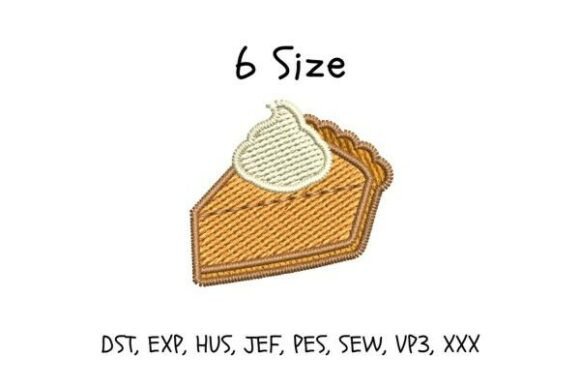
As an embroidery designer who’s developed seasonal collections for small clothing brands and Etsy sellers for over a decade, I opened the Pumpkin Pie Embroidery Design file with quiet curiosity—not hype. What I found was a design that balances nostalgic charm with clean, confident stitching: a hand-drawn pumpkin pie with delicate crust fluting, subtle steam swirls, and soft shadowing that reads beautifully at multiple scales. It doesn’t shout “fall”—it invites. The visual personality is warm, gently playful, and quietly premium—neither overly cutesy nor aggressively rustic. That makes it unusually versatile for boutique apparel where tone matters as much as technique.
How It Performs Across Real Apparel Surfaces
For sweatshirt embroidery, especially on midweight French terry or loopback fleece, the Pumpkin Pie Embroidery Design holds its shape remarkably well—provided you use medium-weight cutaway stabilizer underneath and a light tear-away top layer. On neutral heather gray or oatmeal sweatshirts, it reads as artisanal and intentional. On pastel hoodies (think dusty rose or sage), the design gains a gentle, lifestyle-friendly softness—ideal for Instagram-ready bundles or gift sets.
On dark garments—navy, charcoal, or black—the contrast becomes a quiet statement. Use matte brown, burnt orange, and cream thread colors to preserve depth without glare. Avoid high-sheen threads here; they’ll flatten the dimensional effect of the crust detail. For oversized hoodies or slouchy sweatshirts, I recommend using one of the larger sizes (not the smallest) centered just below the collarbone—it avoids looking lost in volume while maintaining balance.
The Pumpkin Pie Embroidery Design also shines as a sleeve accent—especially on rolled cuffs or banded sleeves—where its circular motif echoes natural arm curvature. As a back design on crewnecks or relaxed tees, it works best when paired with minimal front text (e.g., “Bake Joy” in a fine sans-serif) to keep the collection feeling cohesive, not cluttered.
Smart Placement for Different Garment Types
- T-shirts: Best on 100% cotton or cotton-blend tees with light stabilization—avoid heavy knit textures that distort stitch definition.
- Denim jackets: Works beautifully on the left chest or back yoke; use a firm cutaway stabilizer and slightly reduced top tension to prevent puckering on rigid fabric.
- Tote bags: A standout choice for canvas or heavyweight cotton tote embroidery—its rounded shape fills space gracefully and photographs well in lifestyle product photos.
- Cozy seasonal layers: Think cable-knit cardigans or sherpa-lined vests—test first on scrap fabric with similar loft and stretch, as dense stitch areas may compress pile unevenly.
Where to Use It Thoughtfully
The Pumpkin Pie Embroidery Design includes six sizes—an excellent range—but don’t assume all translate equally across substrates. Small chest placement (under 3”) can lose definition on ribbed fabric or highly textured fleece. On stretchy knits like jersey or lightweight French terry, always test stitch density: if the center fill feels too dense, consider reducing fill percentage by 5–10% in your embroidery software before production.
Curved surfaces—like the rounded shoulder seam of a raglan hoodie—require careful hooping and possibly repositioning mid-stitch. And while the design includes no tiny lettering, its fine crust lines demand sharp needles (75/11 or 80/12) and consistent thread tension. If your machine struggles with tight curves or layered satin stitches, run a test on scrap fabric first.
Design Impact Beyond the Stitch
This isn’t just decoration—it’s brand reinforcement. When used consistently across a small shop product line (e.g., matching sweatshirts, totes, and aprons), the Pumpkin Pie Embroidery Design builds visual consistency and product recognition. Customers begin to associate that warm, handmade aesthetic with your boutique brand—especially during Q4 gifting seasons. It subtly signals care: the kind of attention that earns repeat buyers and thoughtful reviews.
For Etsy sellers, pairing the design with printable mockups elevates listings instantly. A clean, softly lit photo of the embroidery on a cream hoodie against linen texture reads more professional than stock imagery—and boosts buyer trust. Social media graphics benefit, too: the design scales elegantly into Instagram story templates or Pinterest pins without pixelation.
Practical Designer Notes Before You Stitch
- Always test the Pumpkin Pie Embroidery Design on scrap fabric that matches your final garment’s weight, stretch, and texture.
- Confirm stabilizer choice: cutaway for knits, tear-away for stable wovens, and fusible + cutaway for fleece or sherpa.
- Review thread color contrast—especially on dark apparel. Cream thread on navy reads richer than white; burnt sienna adds warmth next to olive or rust.
- Check hoop size requirements before digitizing adjustments—some larger sizes may require 5x7" or bigger hoops.
- Compare placement options digitally first: overlay the design on garment mockups to assess balance and proportion.
- Verify licensing terms directly in the Creative Fabrica embroidery listing—especially if planning commercial embroidery or resale of finished apparel.
Final Thought: Seasonal Without Being Ephemeral
Many dessert-themed embroidery files feel fleeting—trendy one season, forgotten the next. The Pumpkin Pie Embroidery Design avoids that trap. Its balanced proportions, thoughtful detail level, and adaptable mood mean it can anchor a fall capsule collection *and* reappear thoughtfully in spring bakery collabs or summer picnic merch—just recolor the threads, adjust placement, and pair with complementary designs from the same Creative Fabrica embroidery shop. For small creative entrepreneurs building a recognizable, quality-driven aesthetic, this is less a single design and more a quiet, reliable tool in the studio toolkit.