Matcha Girlie Embroidery Design
A Seasonal Designer’s First Impression: Whimsy, Warmth, and Matcha Magic
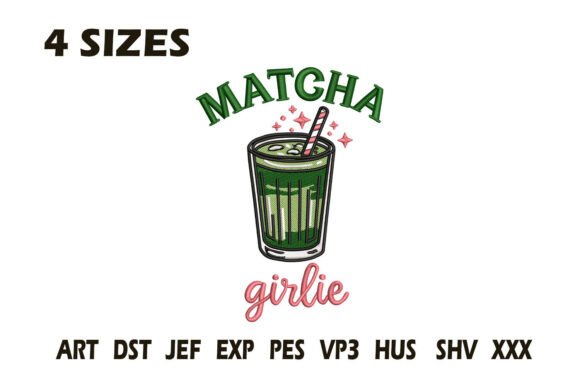
As an embroidery designer who’s built seasonal collections for over a decade—think holiday markets, Easter pop-ups, and back-to-school drops—I opened the Matcha Girlie Embroidery Design file with quiet curiosity. What landed wasn’t just another food-themed motif—it was a mood: soft, grounded, gently playful. The design balances modern minimalism with hand-drawn charm—curved matcha bowl contours, delicate steam swirls, and subtle botanical accents that whisper “cozy ritual,” not “trend-chasing.” It reads as seasonal without leaning on overt holiday symbols, making it versatile across autumn gifting, winter hygge decor, spring wellness bundles, and even early summer farmer’s market merch. Emotionally, it lands as warm, approachable, and quietly premium—not cutesy, not clinical, but *inviting*. That’s rare in food-adjacent embroidery.
Where This Design Shines in Real Holiday Selling Situations
The Matcha Girlie Embroidery Design thrives where authenticity meets intentionality—exactly what handmade gift buyers seek during high-stakes shopping windows. On sweatshirt embroidery, it anchors a relaxed, self-care–focused apparel line—ideal for family matching sets (think “Mom’s Matcha Moment,” “Big Sis Steams On,” “Tiny Tea Master”). As a tote bag design, it elevates everyday errands into curated moments—perfect for Etsy listings tagged “eco-friendly gift” or “wellness mom essential.” For kitchen towel embroidery, it adds personality without clutter, standing out among linen-heavy holiday home decor displays. Pillow covers and aprons become instant conversation starters at craft fairs—especially when paired with natural fiber textures and muted green-beige thread palettes.
This design also performs exceptionally well in digital-first contexts: printable mockups translate beautifully to Instagram carousels and Pinterest pins; embroidered patch versions lend themselves to limited-edition gift bundles (“Matcha & Mindfulness Kit”); and its clean outlines hold up crisply in small-format product previews—even thumbnail-sized Etsy listings retain visual recognition. Because it avoids overly literal food tropes, it builds brand consistency across categories without feeling repetitive. Customers begin to associate that gentle curve of steam or the rounded bowl shape with your shop’s ethos—calm, intentional, handmade.
Smart Placement & Thoughtful Limitations
Like any strong seasonal embroidery file, the Matcha Girlie Embroidery Design rewards thoughtful execution—and signals where caution is needed. Its fine steam lines and subtle shading demand attention at small hoop sizes: avoid stitching it under 3” unless you’ve confirmed stitch density supports clarity. Tiny lettering isn’t present here (a strength), but layered botanical details mean stabilizer choice matters—especially on thick towels or textured fabrics like waffle weave or heavy linen. On dark fabric, test thread colors thoroughly: matte greens and cream-toned beiges read richer than bright neons. Metallic thread? Tempting—but only if the file’s original digitization accounts for reduced stitch coverage and sheen bleed. Avoid stretching it onto curved caps or highly elastic garments unless you’ve verified tension behavior in test runs.
Wash durability is another quiet factor. Because this design leans into softness—not bold saturation—it benefits from high-quality embroidery thread and proper backing. For baby items or frequently laundered kitchen linens, reinforce with tear-away + cut-away stabilizer combo and confirm commercial embroidery settings align with your machine’s capacity. Never assume the file is optimized for all fabric textures—always run a test on scrap before committing to a full batch of pillow covers or holiday aprons.
Why This Design Builds Trust & Giftability During Peak Seasons
Holiday shoppers don’t just buy products—they buy meaning, memory, and mood. The Matcha Girlie Embroidery Design taps directly into rising demand for mindful gifting: personalized gifts that reflect values, not just aesthetics. When stitched onto a monogrammed tea towel or paired with a ceramic matcha set in a gift-ready box, it communicates care, slowness, and presence—qualities that resonate deeply in December rush or post-holiday reset periods. That emotional resonance translates to higher perceived value, fewer returns, and stronger repeat engagement. Etsy sellers report better conversion when this kind of design appears in cohesive bundles (“Self-Care Starter Set”) versus standalone listings. And because it avoids dated trends or narrow demographics, it scales gracefully—from teen-led small shop product lines to mature wellness brands.
Practical Designer Notes Before You Stitch
- Test thread colors on both light and dark fabric swatches—matcha-inspired palettes shift dramatically under different bases.
- Check stitch density before scaling: dense fills may pucker lightweight knits; sparse areas may fray on high-wear items like tote bags.
- Confirm hoop size compatibility with your most-used machines—especially if planning bulk production for holiday deadlines.
- Use appropriate stabilizer for each substrate: cut-away for stretchy apparel, tear-away for stable home decor, and hybrid for textured towels.
- Create realistic mockups using actual fabric photos—not just white backgrounds—to showcase how the design interacts with real-world texture and drape.
- Review small details after stitching: steam wisps and bowl edges should remain crisp, not fuzzy or broken.
- Plan matching color palettes across product types—e.g., sage thread on oatmeal linen towels + moss green on heather grey sweatshirts = cohesive seasonal story.
- Verify commercial licensing before selling finished products—this is non-negotiable for holiday inventory, wholesale orders, or Etsy shops.
Ultimately, the Matcha Girlie Embroidery Design isn’t just a machine embroidery design—it’s a quiet invitation. An invitation to slow down, to choose warmth over flash, and to embed meaning into every stitch. For embroidery sellers building intentional seasonal collections, it’s not just usable—it’s trustworthy, giftable, and quietly unforgettable.