Coffee Cup Embroidery Design
A Cozy, Seasonal Staple for Holiday-Minded Embroidery Sellers
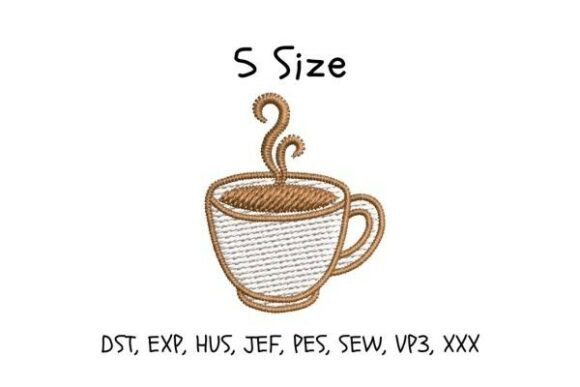
As an embroidery designer who’s built six seasonal collections for Etsy shops and wholesale craft fairs, I opened Coffee Cup Embroidery Design expecting charm—and found quiet confidence. This isn’t a flashy holiday motif with bells or snowflakes. Instead, it delivers warm, grounded nostalgia: rounded curves, soft line weight, and just enough detail to feel handmade—not digital. It reads as cozy, modern rustic, and gently festive—ideal for customers who skip tinsel but love steaming mugs by the window.
Where This Design Shines in Real Holiday Product Lines
Coffee Cup Embroidery Design thrives where authenticity meets gifting intent. On heavyweight cotton sweatshirts? Yes—it anchors family matching sets without overwhelming. On linen kitchen towels? Absolutely. The clean silhouette pops against natural fabric texture and photographs beautifully in flat-lay gift bundles. As a tote bag design, it adds subtle personality to “stocking stuffer” packaging. And on pillow covers or embroidered patches? It scales gracefully across five sizes, letting you unify a small shop product line—from baby onesies (smallest size) to oversized aprons (largest).
Etsy sellers will appreciate how easily Coffee Cup Embroidery Design fits into high-converting themes: “Cozy Winter Gifts,” “Barista-Themed Stocking Stuffers,” or “Handmade Gift Sets for Coffee Lovers.” Pair it with neutral thread colors—oatmeal, charcoal, deep rust—and it becomes instantly giftable. Social media previews perform well because it’s recognizable at thumbnail size: no tiny details to blur, no fragile stems or fine lines that vanish in mockups.
Smart Placement & Practical Limitations
This is not a design for every surface—and that’s its strength. Avoid using Coffee Cup Embroidery Design on curved caps or stretchy performance fabrics unless you’ve tested stabilizer layers thoroughly. Its gentle curves don’t adapt well to distortion, and stitch density may shift unpredictably on knit blends.
On dark fabric? Test thread colors first—especially if stitching on black twill or navy denim. A light beige or cream thread can recede; a warm taupe or heather gray holds definition better. For thick terrycloth kitchen towels, use cutaway stabilizer and reduce top tension slightly to prevent puckering. And while it works beautifully on tea towels (yes—even though this lives in the Tea category, its mood aligns seamlessly with coffee culture), avoid layering it over dense existing prints or textured jacquards where stitch definition could blur.
Also note: There’s no lettering included—so if you’re planning personalized gifts (“Emma’s Mug Day”), pair Coffee Cup Embroidery Design with a clean, legible font file. Don’t force custom monograms into the cup handle—that’s visual clutter, not charm.
Emotional Resonance & Seasonal Value Lift
Holiday shoppers buy feeling, not features. Coffee Cup Embroidery Design taps into comfort, ritual, and quiet celebration—the kind of sentiment that converts browsing into buying. It doesn’t scream “Christmas!” but whispers “I see you, early-riser, late-night thinker, homebody, host, healer.” That emotional resonance lifts perceived value: a $28 embroidered pillow cover feels like a curated keepsake, not a generic craft item.
For small business owners building brand consistency, this design supports cohesion across categories. Use the same thread palette on sweatshirt embroidery, tote bags, and pillow covers—and your shop gains visual trust. Customers recognize your aesthetic before they read your shop name. And because it avoids dated trends (no glitter effects, no cartoonish exaggeration), Coffee Cup Embroidery Design stays relevant beyond December. Think spring “morning ritual” bundles, back-to-school teacher gifts, or new-parent “survival kit” totes.
Designer Notes You’ll Want Before Stitching
- Test thread colors on both light and dark fabric—especially if offering multiple versions in your Etsy listing.
- Check stitch density before scaling up. Dense fills may require longer hooping time or heavier stabilizer on delicate linens.
- Confirm hoop size compatibility across all five sizes. Don’t assume the largest fits your 6x10 hoop—verify before listing “large format” options.
- Use proper stabilizer: tear-away for stable wovens, cutaway for knits or towels, and lightweight fusible for lightweight cottons used in baby items.
- Create realistic mockups—not just white-background PNGs. Show it stitched on oatmeal canvas, charcoal fleece, and natural linen to help buyers visualize.
- Review small details after stitching: cup rim clarity, handle proportion, and steam curve smoothness. A single skipped jump stitch can break the cozy illusion.
- Plan matching color palettes in advance—choose 3–4 thread colors that work across products so your holiday collection feels intentional, not pieced together.
- Confirm commercial licensing before selling finished products. Since this is a digital embroidery file, ensure your license permits resale of physical goods—especially important for holiday volume.
Final Thought: A Quiet Anchor for Your Seasonal Line
In a market flooded with overdesigned holiday embroidery, Coffee Cup Embroidery Design stands out by doing less—and meaning more. It’s not the centerpiece of your holiday drop. It’s the quiet anchor: dependable, emotionally resonant, and effortlessly versatile. Whether you’re launching a limited-edition apparel line, prepping craft fair inventory, or building printable mockups for social ads, this machine embroidery design earns its place—not through novelty, but through thoughtful execution.
For Etsy sellers, handmade gift makers, and small shop owners, Coffee Cup Embroidery Design is more than a seasonal embroidery file. It’s a reliable tone-setter—one that helps your customers feel seen, warmed, and quietly celebrated. And in holiday commerce, that’s the kind of connection that turns one-time buyers into repeat fans.