Bee Kind Embroidery Design
A Gentle Stitch with Big Heartfelt Impact
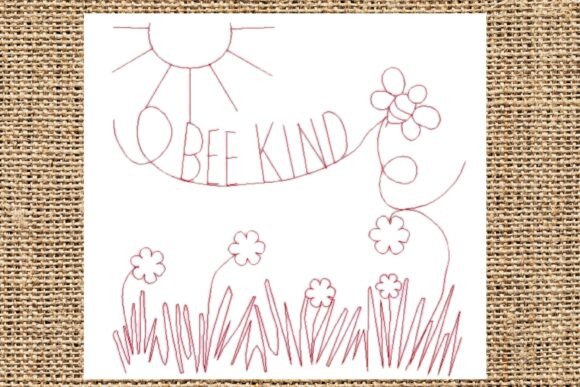
As an embroidery designer who’s stitched thousands of personalized gifts—from newborn onesies to wedding towel sets—I opened the Bee Kind Embroidery Design with quiet anticipation. What greeted me wasn’t flashy or fussy, but something far more valuable in handmade gifting: soft emotional resonance. The line-art style feels intentionally unhurried—clean, airy, and full of quiet kindness. That friendly bee, floating gently among wildflowers beneath a radiant sun, doesn’t shout. It invites. It comforts. It fits perfectly into the growing demand for meaningful, nature-inspired personalization without overwhelming the fabric—or the recipient.
Where This Design Truly Shines
The Bee Kind Embroidery Design is quietly versatile, especially for makers who prioritize warmth and intention over trend-chasing. Its simplicity makes it ideal for baby embroidery—think organic cotton swaddles, muslin burp cloths, or linen crib bumpers where delicate line work reads beautifully at small scale. For wedding gifts, it adds subtle charm to monogrammed hand towels, linen napkins, or even embroidered guestbook covers—soft enough for rustic barn venues, refined enough for garden ceremonies.
It’s also a standout for family keepsakes and nursery decor. Stitched onto a cozy knit blanket or a cotton pillow cover, the design carries gentle symbolism—community, care, pollination of joy—that resonates across generations. Small shop owners on Etsy report strong engagement when pairing this design with neutral-toned totes, canvas aprons, or custom gift boxes tied with twine and dried lavender. Because it’s line art—not filled or shaded—it photographs cleanly in natural light, boosting product visibility and buyer trust.
Practical Considerations for Real-World Stitching
Before stitching your first Bee Kind Embroidery Design, take time to assess your project’s fabric and function. Line-art machine embroidery designs rely heavily on crisp thread definition and stable fabric behavior. On textured towels (especially dense terry cloth), use a medium-weight cutaway stabilizer underneath and a light tear-away on top to prevent puckering around fine stems and wings. For stretchy baby clothes, opt for a lightweight fusible stabilizer that bonds securely without stiffness.
Small lettering (“BEE KIND”) is legible but delicate—avoid reducing it below 3 inches wide unless you’ve tested stitch-out clarity on your specific machine and thread combo. Dark fabrics require high-contrast thread colors; consider matte cotton or rayon threads in cream, pale gold, or sage green to preserve the design’s gentle tone. Always test on a scrap of your final fabric—especially if using thick blankets or quilting-weight linen—since stitch density can shift dramatically depending on fabric texture and needle tension.
Why Customers Connect With This Design
In my experience, buyers don’t just purchase embroidery—they invest in feeling. The Bee Kind Embroidery Design delivers emotional value instantly. It signals thoughtfulness. When stitched onto a handmade gift, it tells the recipient: *I chose something kind. I slowed down. I made this with care.* That perception elevates perceived quality—even before the first stitch is seen. For Etsy sellers and small business owners, that translates directly to higher conversion rates, better reviews (“so sweet and meaningful!”), and repeat customers seeking heartfelt personalization.
Photographing finished pieces with this design is effortless—the clean lines translate well in printable mockups and social media previews. Whether used on a minimalist nursery wall hanging or a custom embroidered tea towel set, the Bee Kind Embroidery Design maintains its integrity across formats and scales. It never competes with the product; instead, it enhances its handmade presentation with quiet confidence.
Smart Stitching Tips Before You Begin
- Create a test stitch-out—especially if using specialty threads or unfamiliar fabric blends.
- Check small details after stitching: confirm the bee’s antennae and flower outlines remain distinct and unblurred.
- Compare thread colors in natural light, not just under studio bulbs—subtle variations matter for warmth.
- Test on fabric similar in weight and stretch to your final product before committing to a full run.
- Confirm hoop size compatibility—line-art designs often fit comfortably in 4x4 or 5x7 hoops, but always verify before digitizing or resizing.
- Review stitch density—this design avoids heavy fill stitches, making it suitable for lightweight linens and breathable knits.
- Choose stabilizer wisely: cutaway for permanent stability on towels and blankets; tear-away for temporary support on delicate baby items.
- Always review product details and licensing on Creative Fabrica before selling finished products—this ensures your commercial embroidery remains compliant and confident.
A Timeless Choice for Thoughtful Makers
The Bee Kind Embroidery Design isn’t just another bug-themed embroidery file—it’s a tool for connection. In a market flooded with bold fonts and busy motifs, its understated sincerity stands out. It works as beautifully on a tiny onesie as it does on a large-scale embroidered pillow cover. It supports baby embroidery, wedding gift creation, nursery decor, and custom home goods—all while reinforcing values that resonate deeply with today’s conscious consumers.
For Creative Fabrica users building a library of reliable, emotionally intelligent machine embroidery designs, the Bee Kind Embroidery Design earns its place—not because it’s trendy, but because it’s timeless. It reminds us that sometimes, the kindest message is the simplest one, stitched slowly, with care, and shared freely.