E2e Keep Warm Quilting Embroidery Design
First Impressions: Cozy, Continuous, and Quietly Confident
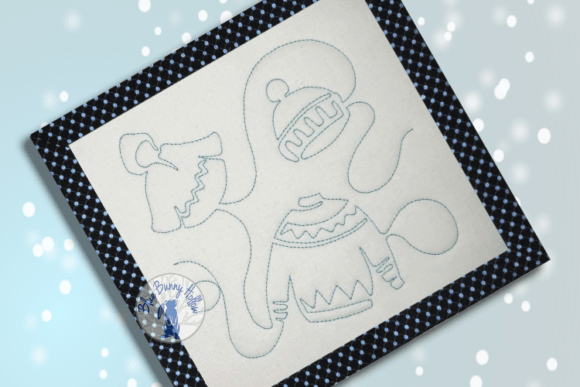
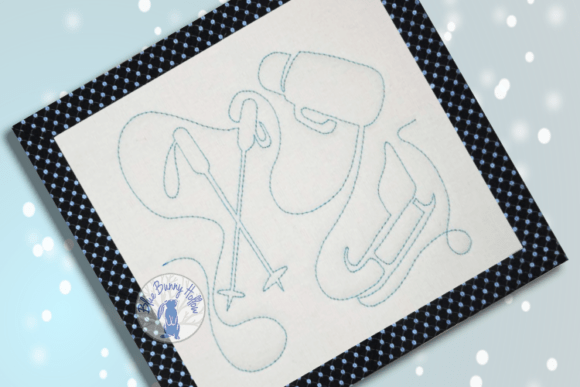
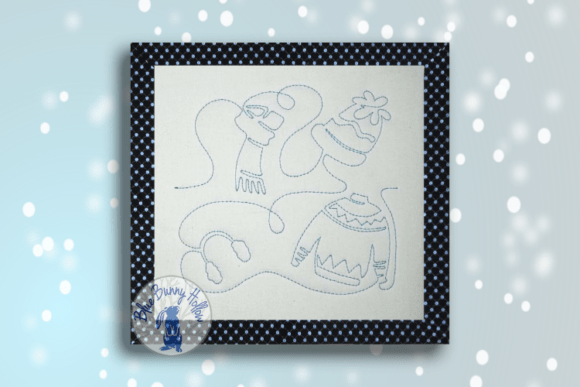
When I opened E2e Keep Warm Quilting Embroidery Design, I didn’t see just another winter motif—I saw rhythm. The sweater, scarf, and hat aren’t isolated icons; they’re linked in a single, fluid line that flows like breath on a cold morning. It’s not fussy or overly detailed—it leans into suggestion rather than precision, which is exactly what makes it work so well for quilting-style machine embroidery. There’s no heavy satin stitch outlining, no dense fill areas begging for stabilizer overkill. Instead, it uses clean running and gentle fill stitches to build texture—not clutter. That continuity means fewer jump stitches, less thread trimming, and a smoother ride across your hoop. For a machine embroidery design meant to repeat across runners, bags, or quilt blocks, that’s not just convenient—it’s professional-grade intention.
A Real Project Test: Custom Embroidered Tote Bags for a Holiday Pop-Up
Last week, I stitched E2e Keep Warm Quilting Embroidery Design onto a set of heavyweight cotton canvas totes—intended as boutique holiday gifts for a local maker fair. I placed it along the bottom third of each bag, repeating it three times horizontally with subtle 0.25" spacing. On light natural canvas, the design read instantly: warm, handmade, quietly festive. Customers paused—not because it shouted, but because it *invited*. One woman said, “It feels like something my grandma would’ve stitched—but faster.” That’s the sweet spot: nostalgic warmth, modern execution.
It performed cleanly on medium-weight fabric with tear-away + light cut-away stabilizer. No puckering. No thread breaks. And because the stitch density stays moderate, the backside stayed tidy—critical when selling handmade product where finish matters as much as front-facing charm.
Where It Shines (and Where to Pause)
E2e Keep Warm Quilting Embroidery Design thrives in context-driven applications:
- Custom apparel: Works beautifully on sweatshirt cuffs, pocket flaps, or the lower back hem of oversized hoodies—especially when repeated as a border.
- Tote bag design and kitchen towel accents: Its horizontal flow suits long, narrow surfaces without needing resizing or distortion.
- Baby embroidery and nursery decor: Soft shapes, no sharp angles or tiny details—safe for delicate items and gentle on baby-soft fabrics.
- Holiday embroidery and personalized gift projects: Feels seasonal without being cliché (no snowflakes, no reindeer—just quiet, wearable warmth).
- Commercial embroidery and small shop product lines: Repeats cleanly, scales predictably, and reads well at 3–4" width—ideal for consistent branding across merchandise.
But here’s where I slow down:
- Small hoop sizes (<4"): The design’s natural repeat works best at 3.5"+ wide. Crowding it shrinks legibility—especially the scarf’s drape and hat brim.
- Stretchy fabric and thin fabric: Requires extra stabilizer support. The continuous line pulls slightly on unstable bases—test first on scrap knit or rayon.
- Curved surfaces like caps or hats: Not ideal unless resized and re-digitized for curve compensation—the flow assumes flat ground.
- Dark fabric: Still readable, but contrast depends heavily on thread choice. I recommend matte polyester thread in cream or heather grey—not glossy white—to keep that cozy, tactile feel.
What It Adds to Your Finished Product—Beyond Stitching
This isn’t just a digital embroidery file. It’s a subtle value amplifier. When stitched onto an apron for a bakery client, it elevated the piece from “cute” to “thoughtfully made.” On tea towels sold through an Etsy seller’s shop, customers commented on how “cohesive” the set felt—even though each towel had only one repeat. That’s brand consistency earned, not forced.
For craft business owners, it strengthens buyer engagement: the design invites touch, slows scrolling, and signals care in curation. It doesn’t scream “sale”—it whispers “this was chosen for you.” And for personalized gift buyers? It feels special without requiring customization—just thoughtful placement and quality stitching.
Practical Designer Notes Before You Stitch
Before using E2e Keep Warm Quilting Embroidery Design in your next project—or listing it as part of your design assets—here’s what I always do:
- Test on scrap fabric first—especially if using textured or dark material.
- Check thread color contrast in natural light, not just screen preview.
- Review stitch density visually in your software—look for any unintended overlaps or thin spots in the scarf’s loop.
- Confirm hoop size compatibility—its natural repeat fits most 5x7 hoops comfortably, but verify before hooping.
- Inspect small details like the hat’s crown curve—does it hold shape at your intended size?
- Test in black-and-white mockups to assess silhouette strength on varied backgrounds.
- Use proper stabilizer: Medium-weight cut-away for knits, tear-away + light cut-away for stable wovens.
- Confirm licensing before selling finished items or bundling the embroidery file—especially for commercial use or resale as digital product.
Final Thought: A Design That Serves the Maker—and the Moment
E2e Keep Warm Quilting Embroidery Design doesn’t try to be everything. It’s not flashy. It won’t dominate a garment—but it will anchor it. In a market saturated with loud, trend-chasing motifs, its quiet confidence stands out. Whether you’re stitching a custom embroidered patch for a small shop, prepping holiday embroidery for wholesale, or building a cohesive printable mockup library for your digital embroidery file store—it delivers reliability, warmth, and real-world usability. That’s not just good Sewing. That’s smart Embroidery.