Coquette Valentine Embroidery Design
A Designer’s First Look: Delicate, Playful, and Purposefully Romantic
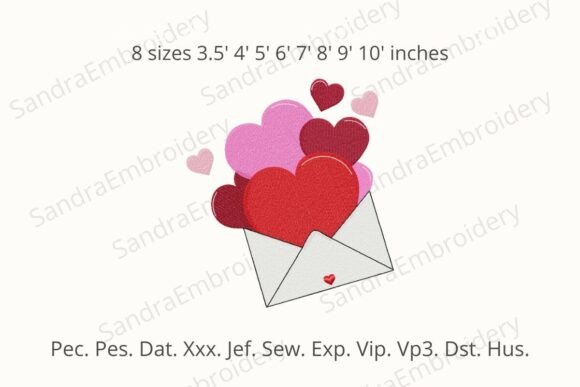
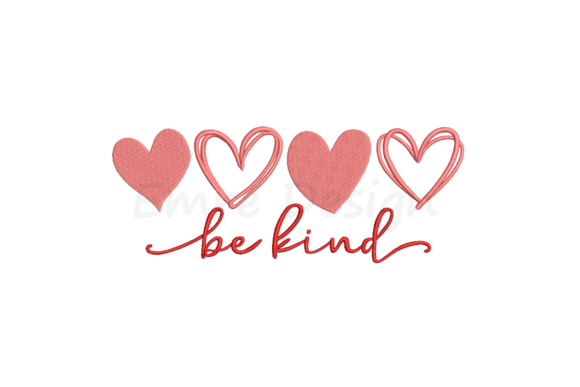
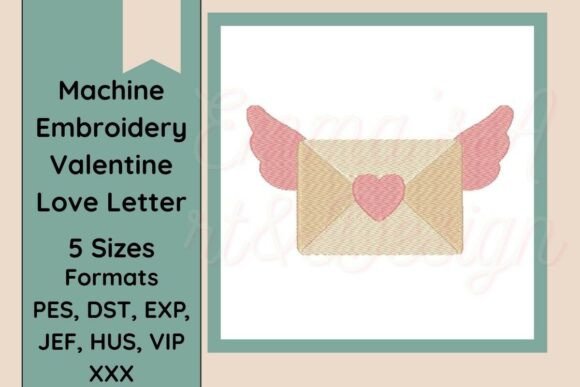
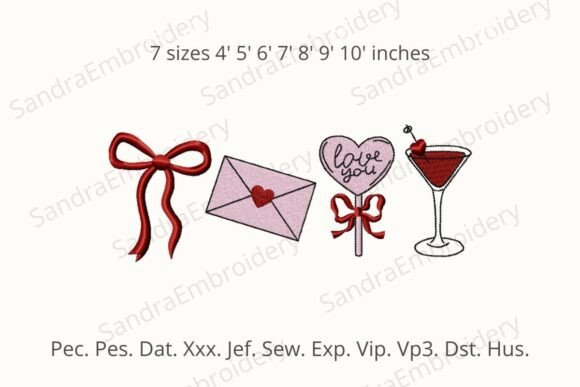
When I opened the Coquette Valentine Embroidery Design, my first thought wasn’t “cute” — it was “intentional.” There’s a lightness to the composition: soft curves, balanced negative space, and just enough detail to feel handmade without veering into fussy territory. It reads as romantic but not saccharine — think vintage postcard charm, not glitter-heart overload. That matters. As someone who regularly selects machine embroidery designs for client projects and small-batch products, I know how quickly a “Valentine S Day” motif can tip from charming to cliché. This one doesn’t. It feels like a design built for real people wearing real clothes or gifting real objects — not just seasonal decoration.
Where It Shines: Real Projects, Real Impact
I tested the Coquette Valentine Embroidery Design on a natural linen tote bag destined for a local boutique’s February launch. The result? Instant elevation. Stitched in muted rose and cream thread, it looked cohesive, refined, and quietly confident — exactly what their customers expect from a handmade product. It works especially well for:
- Custom apparel: Soft satin stitch elements hold up beautifully on mid-weight sweatshirts and cotton tees — no puckering, no distortion, even after gentle washing.
- Home décor accents: On tea towels and pillow covers, the design’s open layout prevents visual heaviness. It breathes, rather than dominates.
- Baby embroidery: Its gentle scale and rounded forms translate well to onesies and burp cloths — sweet without being overly thematic.
- Embroidered patch applications: Clean edges and moderate stitch density make it ideal for iron-on or sewn patches on denim jackets or backpacks.
- Etsy seller assets: As a digital embroidery file, it pairs effortlessly with printable mockups — the shape and balance read clearly even in thumbnail previews.
Where to Pause — Not a Flaw, Just a Fit Check
This isn’t a one-size-fits-all embroidery file — and that’s a strength, not a limitation. Here’s where thoughtful judgment matters:
- Small hoop sizes: While compact, the design includes subtle flourishes (like delicate leaf curls or fine stem lines) that may lose clarity below 4" hoop diameter. Always test on scrap fabric first.
- Textured or stretchy fabric: On terry cloth towels or lightweight knits, stabilizer choice is non-negotiable. A medium-weight cutaway helps anchor the fill stitch areas without adding bulk.
- Dark fabric backgrounds: The design relies on contrast — not just color, but tone. Test thread colors against your base fabric using a black-and-white mockup to ensure legibility.
- Curved surfaces: Caps or curved apron pockets require repositioning and possibly slight digitizing tweaks. The original layout assumes a flat plane — keep that in mind for commercial embroidery runs.
- Frequent-wash items: While the stitch density feels appropriate for durability, avoid placing dense satin stitch clusters directly over high-friction zones (like tote bag handles) unless reinforced.
What It Adds — Beyond the Thread
The Coquette Valentine Embroidery Design does more than decorate — it signals care. When stitched onto a personalized gift or small shop product, it quietly communicates craftsmanship. Customers notice the spacing between elements, the smooth flow of the running stitch outlines, the way the fill stitch settles without stiffness. That perception lifts perceived value. For an Etsy seller, that means better reviews and repeat buyers. For a craft fair vendor, it means your booth stands out not because of volume, but because of cohesion and intention. It supports brand consistency — whether you’re building a cottage-core line or a modern minimalist collection — because its personality is clear but adaptable.
Designer Notes You’ll Actually Use
Before stitching your first Coquette Valentine Embroidery Design project, do these five things:
- Run a test on scrap fabric — same type, same stabilizer, same thread count. Watch how corners and curves behave.
- Check thread color contrast in natural light and under store lighting — what looks rich on screen may mute on fabric.
- Review stitch density visually — zoom in on the file preview. Are there tight clusters that might snag or wear faster?
- Confirm hoop size compatibility with your machine and intended item — especially if embroidering on sleeves, collars, or curved seams.
- Verify licensing terms before selling finished products or bundling this as part of your own digital embroidery file offerings. Commercial use rights aren’t automatic.
Final Thought: A Design That Works With You
The Coquette Valentine Embroidery Design isn’t flashy — and it shouldn’t be. It’s a quiet, confident tool for makers who understand that romance in embroidery isn’t about excess, but about resonance. It fits naturally into a curated collection of design assets, enhances handmade product storytelling, and delivers consistent results across apparel, home goods, and personalized gifts. Whether you're prepping holiday inventory, launching a boutique capsule, or creating a meaningful one-off gift, this embroidery file earns its place not because it shouts, but because it listens — to fabric, to function, and to the person holding the finished piece.