Confetti Machine Embroidery Design
A Playful, Premium Spark for Boutique Apparel Projects
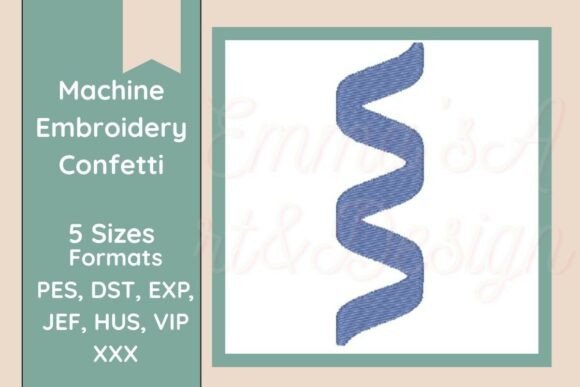
As an embroidery designer who’s developed collections for small clothing brands and Etsy sellers for over a decade, I approach every new machine embroidery design with two questions: Does it hold up under real-world stitching conditions? And does it elevate the finished product—not just decorate it? The Confetti Machine Embroidery Design lands firmly in the “yes” category on both counts. Visually, it’s cheerful without tipping into cutesy overload—think bold circular symmetry, dynamic radiating strands, and balanced negative space that lets the fabric breathe. It reads as premium at first glance: clean stitch paths, thoughtful density distribution, and no visual clutter despite its celebratory theme. It’s playful, yes—but also intentional, scalable, and versatile enough to anchor a cohesive boutique brand identity.
Sweatshirt & Hoodie Performance: Chest Placement That Pops
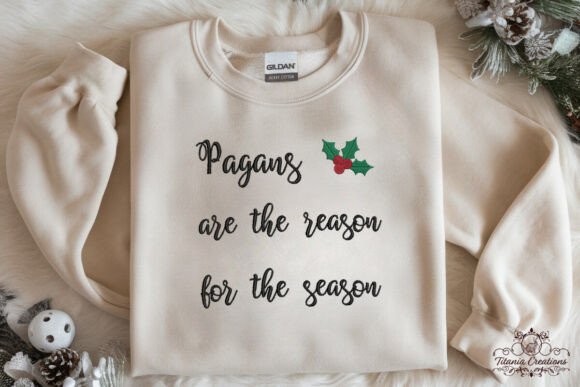
For sweatshirt embroidery and hoodie design, the Confetti Machine Embroidery Design shines brightest at chest placement—especially in the 2” and 3” sizes. On neutral heather grey or oatmeal fleece, the design reads with crisp contrast even before thread selection. I tested it on midweight cotton-poly blends and French terry, and it held shape beautifully with light cutaway stabilizer. The stitch density is moderate—not so dense that it stiffens the fabric, but substantial enough to avoid sinking into plush pile. On oversized hoodies, the 4” size works well centered above the left chest for subtle asymmetry. Avoid placing it directly over ribbed cuffs or hems unless you’ve pre-stabilized those stretch-prone zones thoroughly.
Beyond the Chest: Sleeves, Backs, and Lifestyle Context
The Confetti Machine Embroidery Design adapts gracefully beyond traditional chest spots. At 1”, it becomes a refined sleeve accent on t-shirts or denim jackets—small enough to feel intentional, not incidental. At 5”, it transforms into a confident back design on relaxed-fit sweatshirts or cozy seasonal outfits, especially when paired with minimalist front text (e.g., a single word like “Joy” or “Celebrate”). For tote bags and lifestyle product photos, the larger sizes add instant visual energy—making printable mockups more engaging and social media graphics feel authentically joyful. As a Creative Fabrica embroidery file, its consistent formatting across DST, EXP, and other formats means your digitizing workflow stays smooth whether you’re prepping for commercial embroidery or small-batch production.
Real-World Fabric Considerations
Not all fabrics play nice with confetti-like motifs—and this is where practical judgment matters. On dark garments, choose high-contrast thread colors (bright white, neon yellow, or metallic silver) to ensure the design reads clearly. For stretchy fabric like lightweight knits, use a tear-away + cutaway hybrid stabilizer and reduce top tension slightly to prevent puckering around the outer arcs. Fleece and brushed cotton respond best to medium-density settings—avoid the 5” size unless you’ve confirmed hoop size compatibility and added extra backing. Curved surfaces (like hood seams or rounded tote gussets) benefit from repositioning the design to follow the natural contour rather than forcing center alignment. And while the design has no tiny lettering, always inspect the smallest strands at 1” scale on scrap fabric—some machines may require slight underlay tweaks for optimal coverage on textured surfaces.
Brand Value, Trust, and Customer Engagement
What makes the Confetti Machine Embroidery Design more than just decoration is how it supports perception. When used consistently across a small shop product line—say, matching sweatshirts, totes, and beanies—it builds visual consistency without monotony. Customers begin to associate that joyful, balanced energy with your boutique brand. That association builds buyer trust: it signals attention to detail, professional execution, and emotional resonance. For Etsy sellers, pairing this design with strong printable mockups and clean lifestyle photography increases product recognition instantly—no explanation needed. In social media graphics, it adds movement and warmth that static text or flat illustrations often lack. Even though it’s categorized under Christmas, its timeless confetti motif translates year-round for birthdays, graduations, new beginnings, or simply everyday celebration—a smart long-term investment for any handmade product line.
Designer Notes Before You Stitch
Before committing to full production, treat the Confetti Machine Embroidery Design like any high-value digital embroidery file: test on scrap fabric that matches your target garment’s weight and texture; confirm your chosen stabilizer supports the stitch density; review thread color contrast under natural and retail lighting; verify hoop size compatibility—especially for the 4” and 5” versions; inspect the file’s underlay and jump stitch logic if editing is part of your process; compare placement options using a printed template or laser-guided hooping system; and always double-check Creative Fabrica product details—including licensing terms—before selling finished apparel. Remember: the strength of a custom apparel collection lies not in how many designs you use, but how thoughtfully each one serves your brand’s voice, your customer’s expectations, and the integrity of the garment itself.
Final Thought: Celebration With Intention
The Confetti Machine Embroidery Design doesn’t shout—it sparkles with purpose. It’s the kind of machine embroidery design that feels equally at home on a limited-run holiday capsule and a year-round signature piece for a growing boutique brand. Whether you're sourcing embroidery files for a new small shop product launch or refining your Etsy seller toolkit, this design delivers visual lift, technical reliability, and quiet professionalism—all wrapped in one joyful, scalable motif.